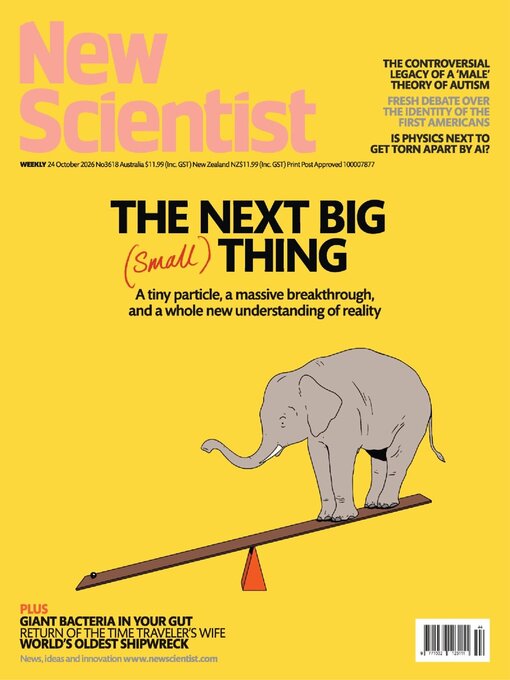
 Oct 24 2026
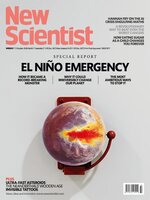 Oct 17 2026
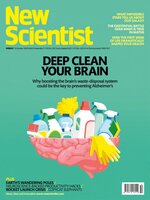 Oct 10 2026
 Oct 03 2026
 Sep 26 2026
 Sep 19 2026
 Sep 12 2026
 Sep 05 2026
 Aug 29 2026
 Aug 22 2026
 Aug 15 2026
 Aug 08 2026
 Aug 01 2026
 Jul 25 2026
 Jul 18 2026
 Jul 11 2026
 Jul 04 2026
 Jun 27 2026
 Jun 20 2026
 Jun 13 2026
 Jun 06 2026
 May 30 2026
 May 23 2026
 May 16 2026
New Scientist covers the latest developments in science and technology that will impact your world. New Scientist employs and commissions the best writers in their fields from all over the world. Our editorial team provide cutting-edge news, award-winning features and reports, written in concise and clear language that puts discoveries and advances in the context of everyday life today and in the future.
Can we fix it? • We can exceed 1.5°C of warming and come back down, but the overshoot years will hurt
El Niño has increased sea levels • Sea levels in parts of the eastern Pacific are already an “astounding” 40 centimetres above normal, raising the risk of coastal flooding, discovers Michael Le Page
Future ice loss may be locked in • Even if oceans cool, Antarctica's "doomsday" glacier will continue to melt, although a neighbouring glacier might begin to grow, discovers Alison George
Giant bacteria could be living in your gut
Twins' cancer spread in utero • The rare case also sheds light on how identical twins develop from one fertilised egg
How ancient peoples lived alongside art • A unique rock art site is teaching us that art wasn’t something found only at remote sacred places.
Dark matter detection • We have arguably already discovered dark matter, says Chanda Prescod-Weinstein, but to observe it, we need to figure out if we expect it to act like a particle or a wave
A sniffle-free season • Can a positive mindset protect us from the worst of winter’s colds? David Robson sifts through the evidence to find how looking after your mind can affect your immune system
Lights out
Counting on maths • Terence Tao, one of the world’s great mathematicians, urges us to find empowerment in numbers in his new book.
The Time Traveler’s creator • For fans, it has been a long wait for the sequel to Audrey Niffenegger’s bestseller.
Minds of their own • Do animals have inner lives? Definitely, argued the late primatologist Frans de Waal. His final book is a terrific mix of memoir and science, finds Michael Marshall
Views Your letters
The riddle of the neutrino • Despite years of searching, we still don’t know the mass of the neutrino.
What now for the 'extreme male brain' idea of autism? • Psychologist Simon Baron-Cohen's influential research helped pin autism as a particularly male condition. As studies increasingly broaden our view of autism, Thomas Lewton asks him whether his perspective has changed
Who first lived in the Americas? • For decades, the Monte Verde site in Chile has been the source of arguments about the first peoples in the Americas.
The back pages Almost the last word